User-Friendly Baby Monitor Setup for Confident Parents
By Nora Jensen • 9th Nov
More than 60 percent of parents worry daily about their child's safety during sleep. Choosing a baby monitor can feel confusing with so many features and technical details to consider. The right monitor becomes not just a gadget but a support system that offers reassurance while you focus on your family. This guide breaks down every step so you can confidently select, install, and secure the ideal monitoring system for your home.
Quick Summary
| Key Point | Explanation |
|---|---|
| 1. Assess home environment for monitors | Determine the size, layout, and signal interference of your home to choose an optimal baby monitor. |
| 2. Prioritize secure installation | Mount monitors securely away from the crib to avoid hazards while ensuring a clear view. |
| 3. Configure strong security settings | Use complex passwords and privacy controls to protect your monitoring system from unauthorized access. |
| 4. Test range and performance thoroughly | Conduct range tests and evaluate video/audio quality to ensure reliable monitoring across your home. |
| 5. Read user reviews for insights | Gather real-world experiences from other parents to make informed decisions on selecting a baby monitor. |
 |
|
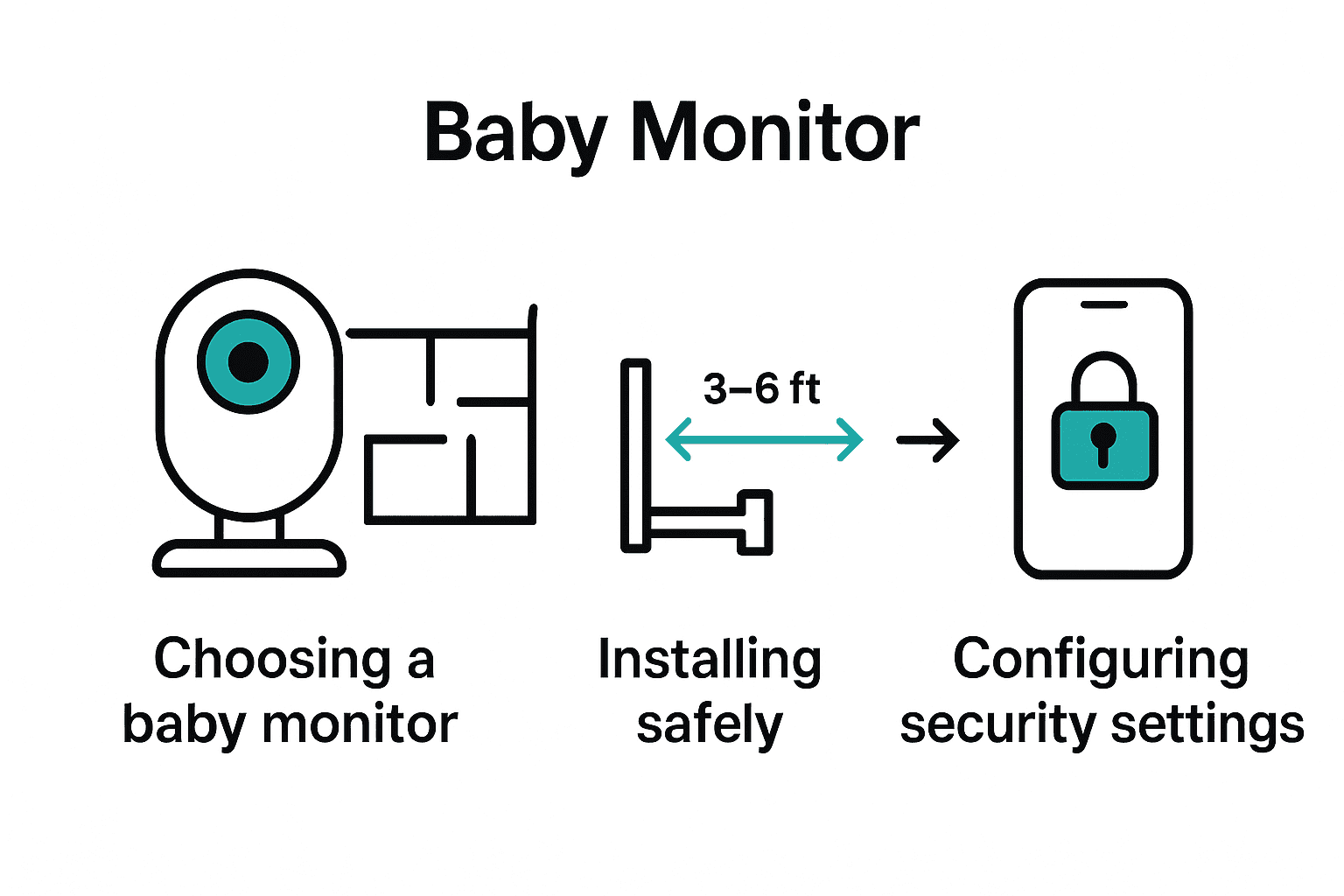
Step 1: Choose the Ideal User-Friendly Baby Monitor
Selecting the perfect baby monitor requires thoughtful consideration and understanding of your unique family needs. The goal is finding a monitoring system that provides peace of mind while offering practical features that simplify your parenting journey.
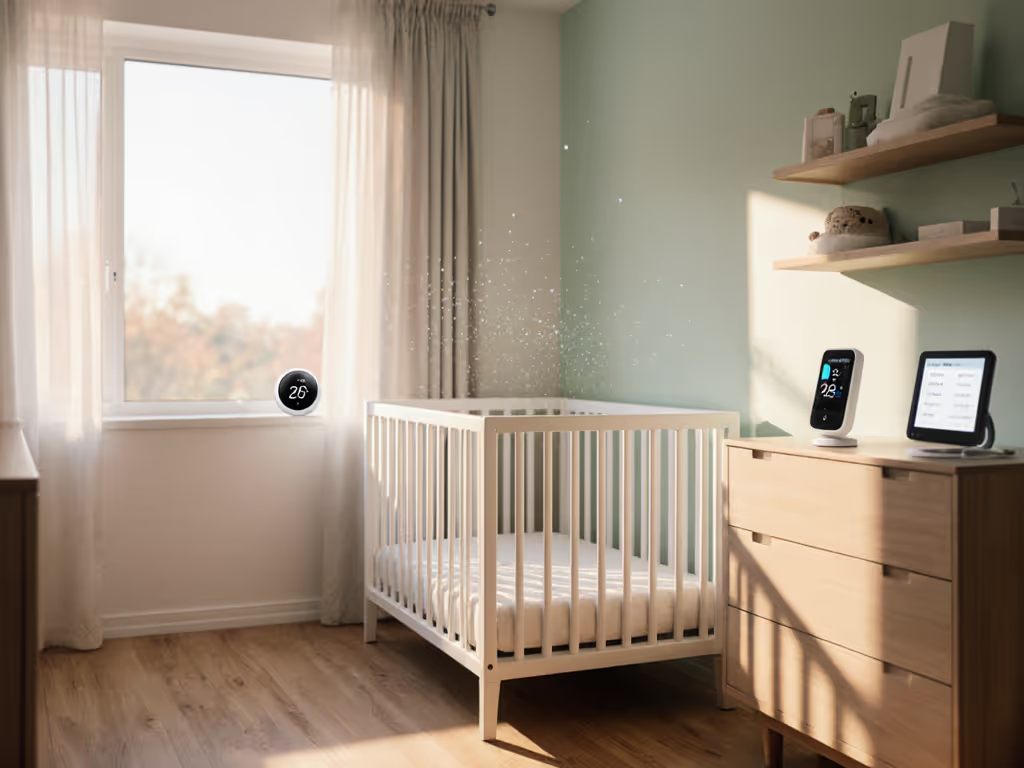
Start by assessing your specific home environment and monitoring requirements. Consider factors like home size, layout complexity, and potential signal interference zones. The American Society of Mechanical Engineers recommends prioritizing monitors with robust wireless connectivity and clear signal transmission across different architectural spaces. Look for systems with wide range coverage that can penetrate walls and multiple floors without signal degradation.
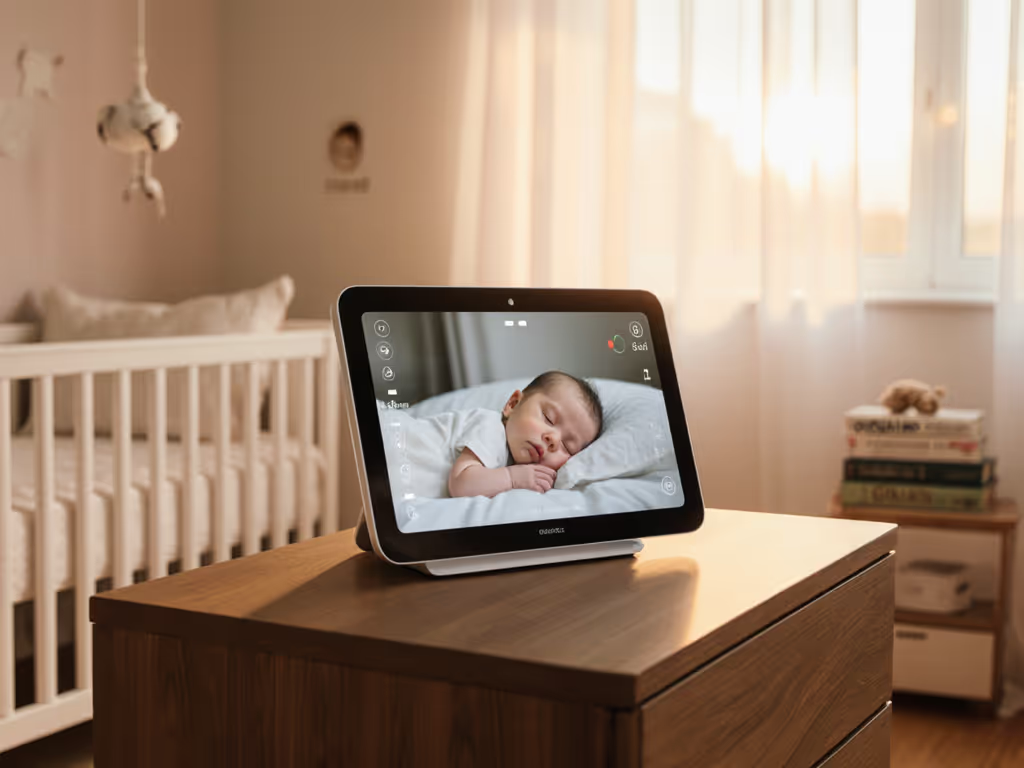
Critical selection criteria should include audio quality, video resolution, security features, and ease of setup. Modern baby monitors offer advanced capabilities beyond basic sound and video monitoring. Search for options with encrypted wireless transmission, password protected access, and minimal data vulnerability. Features like temperature monitoring, two way audio communication, and mobile app integration can transform a simple monitor into a comprehensive parental assistance tool.
Pro Tip: Always test monitor range and signal strength before your baby arrives to ensure complete home coverage and minimize potential blind spots.
As you narrow your choices, read user reviews from other parents who have real world experience with specific models. Their insights can reveal practical performance details manufacturers might not highlight. The next step will involve understanding installation requirements and preparing your home for seamless baby monitor integration.
Step 2: Prepare Your Home for Secure Installation
Preparing your home for a secure baby monitor installation is a critical step that ensures both optimal device performance and your child's safety. This process involves strategic planning and careful consideration of placement to maximize monitoring capabilities while minimizing potential risks.
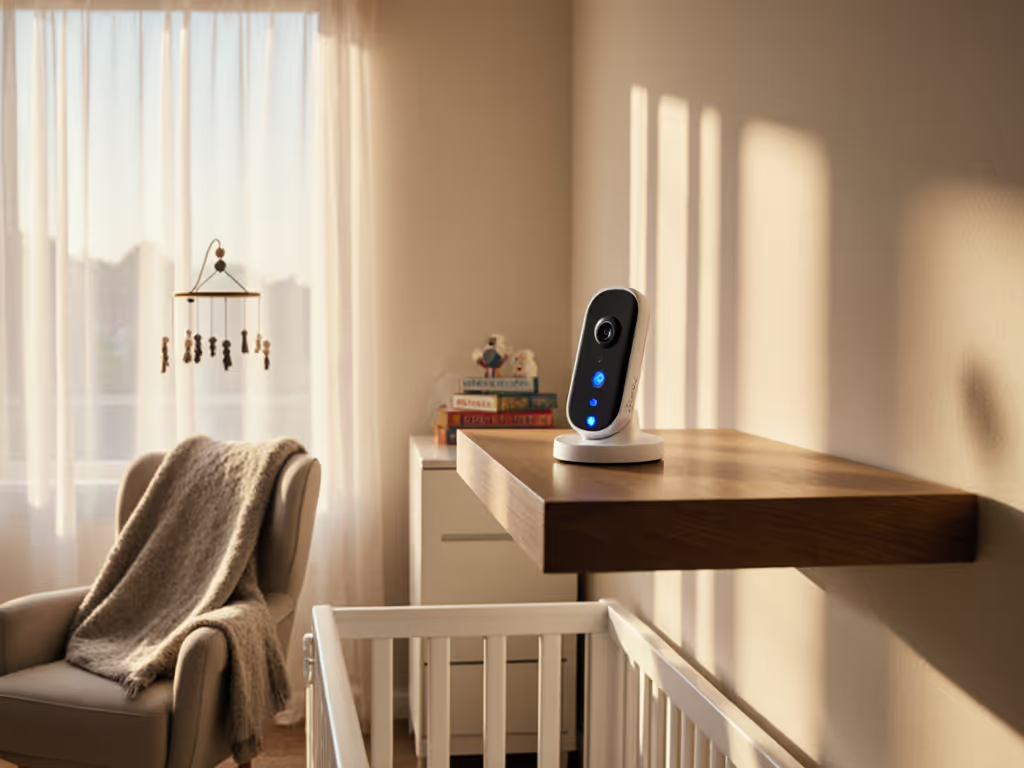
According to the Baby Safety Foundation, proper monitor placement requires careful attention to several key factors. Start by examining your baby's room and identifying potential mounting locations that provide clear visibility without creating physical hazards. WonderBaby.org recommends mounting monitors at least three feet away from the crib to prevent cord accessibility and potential strangulation risks.
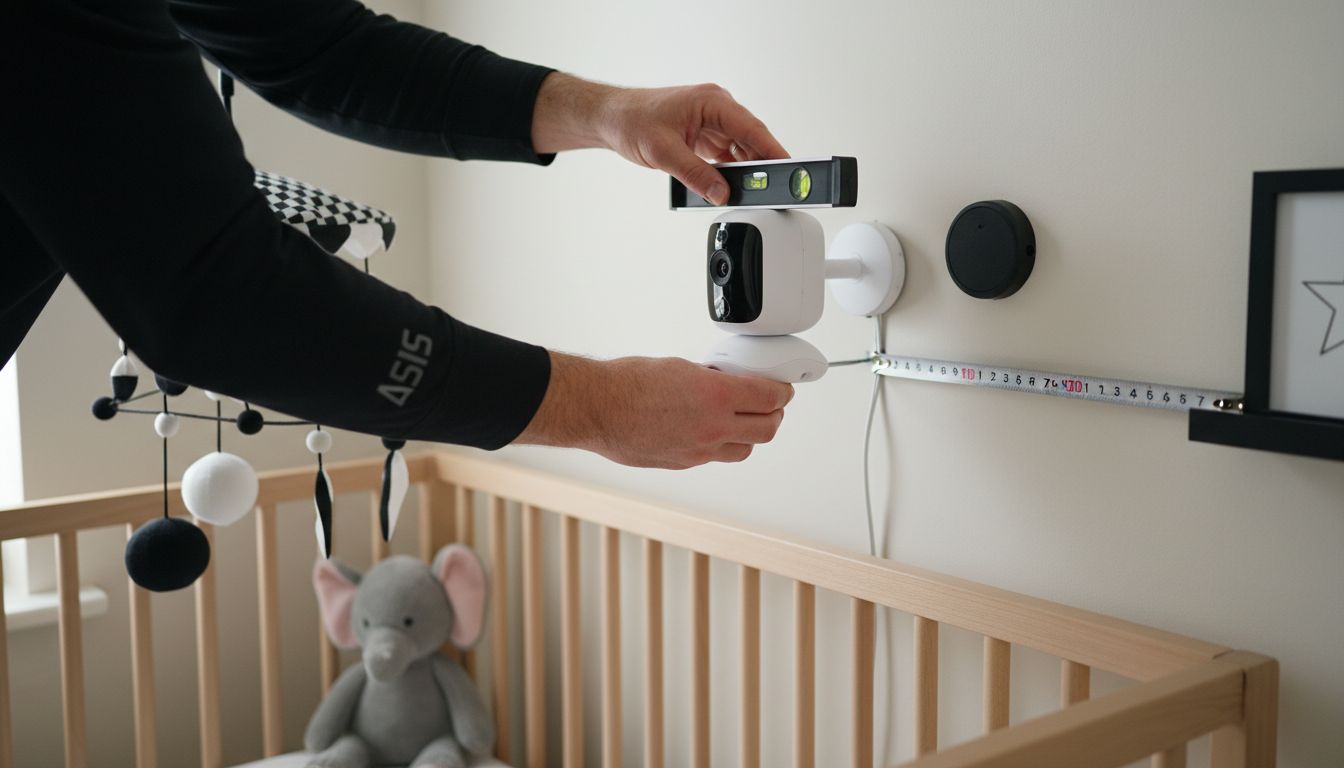 Aim for a camera angle that provides a full view of the sleeping area while ensuring no dangling cords or mounting hardware can be reached by curious little hands.
When selecting your installation spot, consider both technological and safety requirements. Choose locations near electrical outlets for convenient power access but far enough from water sources or potential moisture. Wireless monitors offer more flexibility in placement but still require strategic positioning to maintain strong signal strength. Test multiple angles and positions to find the optimal view that captures the entire crib area without creating potential entanglement or pulling hazards.
Pro Tip: Use mounting brackets or dedicated wall mounts designed specifically for baby monitors to ensure stable and secure installation.
Beyond physical placement, evaluate the electrical infrastructure of your chosen area. Ensure outlets are childproofed and that any power adapters or extension cords meet current safety standards. The next step involves configuring your monitor's technical settings to create a comprehensive and secure monitoring environment.
Step 3: Install and Connect the Baby Monitor System
Installing and connecting your baby monitor system is a straightforward process that requires careful attention to detail and systematic setup. The goal is creating a seamless monitoring experience that provides clear visibility and reliable connectivity throughout your home.
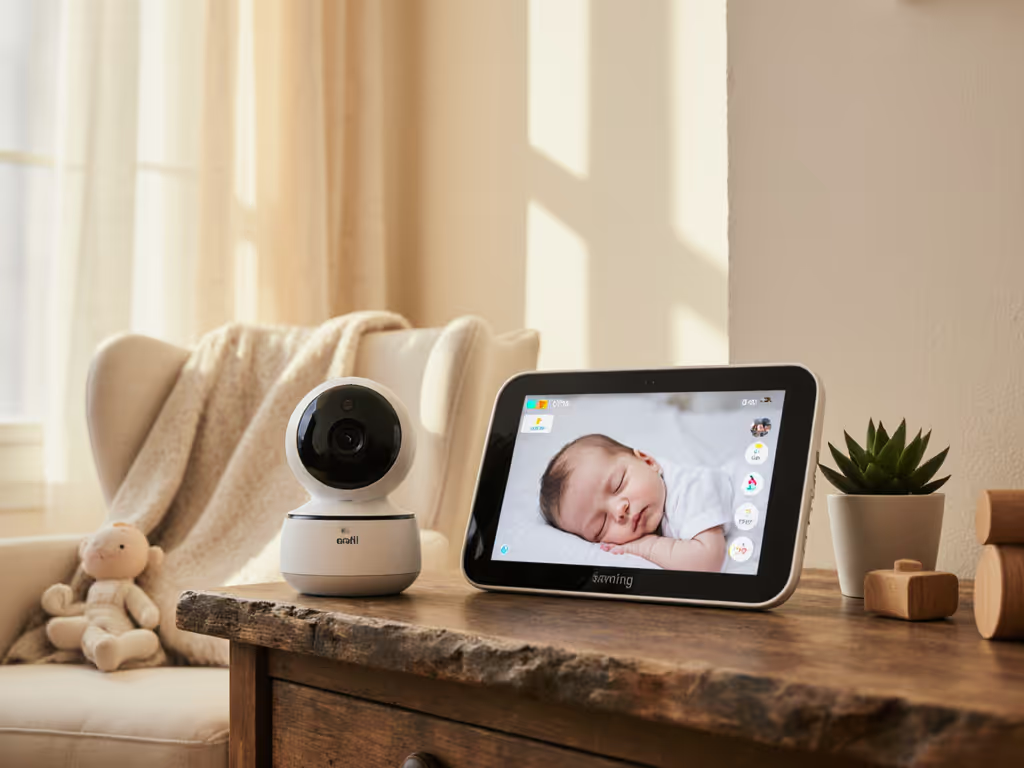
The Healthy Tech at Home Project recommends beginning with a systematic approach to installation. Start by carefully unpacking all monitor components and reviewing the manufacturer's instruction manual. Wireless monitors typically require pairing the camera unit with a receiver or smartphone app. Position the camera according to your previously planned mounting location ensuring a clear view of the entire crib area. WonderBaby.org emphasizes checking signal strength and testing multiple viewing angles before finalizing the camera position.
Configuring wireless settings demands extra attention to security and signal quality. Enable encryption features and create strong unique passwords to prevent unauthorized access. If your system includes mobile app integration, download the companion application and follow precise pairing instructions. Some advanced monitors offer additional configuration options like temperature monitoring and sound sensitivity adjustments which can significantly enhance your monitoring capabilities.
Pro Tip: Always perform a complete system test during daylight hours to verify camera angle placement camera signal strength and audio clarity before relying on the monitor for nighttime monitoring.
Once installation is complete conduct a comprehensive system check to validate all components are functioning correctly. The next phase involves fine tuning monitor settings to match your specific home environment and parenting needs.
Step 4: Configure Privacy and Security Settings
Configuring robust privacy and security settings for your baby monitor is an essential step in protecting your family's digital safety and personal information. This process goes beyond basic setup and requires careful attention to potential vulnerabilities that could compromise your home network and personal data.
Research from the Catholic University of America highlights significant security risks associated with smart baby monitors. Begin by thoroughly reviewing your device's security protocols. Consumer Reports recommends creating a complex password that includes a combination of uppercase and lowercase letters numbers and special characters. Disable default manufacturer passwords and enable two factor authentication if available. Ensure your home wireless network uses WPA3 encryption the most current security standard for preventing unauthorized network access.
Take additional precautions by regularly updating your monitor's firmware and associated mobile applications. Check manufacturer websites or enable automatic updates to protect against emerging security vulnerabilities. Limit sharing access to your monitor only with trusted family members and avoid using public or unsecured wireless networks when accessing your monitoring system. Some advanced monitors offer granular privacy controls like geographic access restrictions and temporary credential management which can provide an extra layer of protection.
Pro Tip: Conduct a monthly security review of your baby monitor settings including password rotation and checking connected device lists to maintain optimal privacy protection.
By implementing these comprehensive security measures you create a safe digital environment for monitoring your child. The next phase involves understanding how to effectively use and manage your baby monitoring system in real world scenarios.
Step 5: Test and Verify Monitor Performance
Testing and verifying your baby monitor's performance is a critical step that ensures reliable monitoring and provides peace of mind for parents. This comprehensive evaluation will help you confirm that every aspect of your monitoring system functions precisely as intended.
According to the American Society of Mechanical Engineers, systematic performance testing involves multiple assessment dimensions. Begin by conducting range tests throughout your home checking signal strength in different rooms and across multiple floors. Verify video and audio quality by recording test sessions and reviewing clarity resolution and responsiveness. Pay special attention to night vision capabilities low light performance and sound sensitivity levels. Simulate various scenarios like simulated infant sounds sudden movements and ambient noise to understand how your monitor responds under different conditions.
Focus on evaluating specific technical performance metrics that impact monitoring effectiveness. Check battery life and power management by running continuous monitoring sessions and tracking power consumption. Test wireless transmission stability by intentionally creating potential interference scenarios near household electronics like microwave ovens cordless phones and wireless routers. Assess mobile app connectivity speed and reliability ensuring seamless real time monitoring across different devices and network conditions.
Pro Tip: Create a detailed performance checklist documenting signal range audio quality video resolution battery duration and connectivity reliability to systematically track your monitor's capabilities.
By meticulously testing your baby monitor you transform an electronic device into a reliable parenting tool. The insights gained from this comprehensive evaluation will help you confidently rely on your monitoring system knowing it meets your family's specific needs.
Find the Perfect Baby Monitor Setup for Your Family
Setting up a user-friendly baby monitor can feel overwhelming when you want the best for your child's safety and privacy. This article highlights key challenges like choosing a system with strong wireless connectivity, secure encrypted signals, and proper installation to keep your little one safe without constant worry.
You deserve a monitoring solution that connects effortlessly and protects your family. If you want to avoid signal dropouts, confusing setups, or security risks from default passwords the resource at https://babymonitorsforparents.pro offers expert advice tailored to your home environment. Explore in-depth reviews on leading devices such as the Miku Pro 2 or Nanit Pro. Discover how to configure your monitor with privacy in mind and how to test performance so you feel confident every moment.
Take the next step toward peace of mind by learning more at User-Friendly Baby Monitor Setup for Confident Parents. Don’t wait until bedtime unpredictability strikes. Empower your parenting with trusted guidance and clear choices today.
Frequently Asked Questions
How do I choose the right baby monitor that fits my family's needs?
Choosing the right baby monitor involves assessing your home environment and monitoring requirements. Start by considering factors like the size of your home and any potential signal interference zones to ensure reliable coverage throughout your space.
What should I consider for the secure installation of my baby monitor?
For secure installation, identify a location that allows clear visibility of the crib while keeping the monitor at least three feet away to avoid potential hazards. Evaluate electrical outlet access and check for any possible moisture exposure to ensure a safe and functional setup.
How can I configure the privacy and security settings of my baby monitor?
To configure privacy and security settings, create a strong password and enable two-factor authentication if available. Regularly update the monitor's firmware to protect against vulnerabilities and limit access only to trusted family members.
What steps should I take to test my baby monitor's performance?
Testing your baby monitor's performance involves conducting range checks throughout your home and verifying audio and video quality. Simulate different conditions, such as low light or background noise, to ensure it reacts well under various scenarios, reviewing performance in detail.
How can I ensure optimal wireless connectivity for my baby monitor?
Ensure optimal wireless connectivity by placing your monitor away from potential interference sources like microwaves or cordless phones. Regularly check the signal strength across your home and adjust the position of your monitor as necessary to improve coverage.
What features should I prioritize when selecting a user-friendly baby monitor?
Prioritize features such as clear video resolution, strong audio quality, and security measures like encrypted transmission. Look for monitors that offer additional functionalities like temperature monitoring or mobile app integration, which enhance overall usability.
Related Articles